

Alien life will most likely be alien to us
- Commentary RAITH Blog
admin
- 0
- 4 minutes read
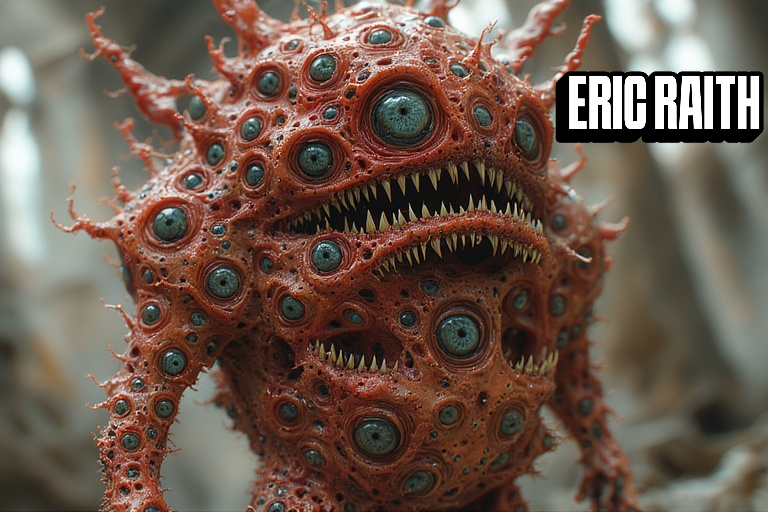
In the quest to understand the cosmos, the question of extraterrestrial life has captivated humanity for centuries. Popular culture often depicts aliens as bipedal, humanoid creatures, but the reality could be far more complex. As we delve into astrobiology and the conditions necessary for life, it becomes increasingly clear that if alien life exists, it is unlikely to resemble us at all.
The Diversity of Life on Earth
To appreciate the potential forms of alien life, it’s essential first to examine the diversity of life on our own planet. Earth hosts a staggering variety of living organisms, ranging from single-celled bacteria to complex multicellular organisms. These life forms have evolved under a wide array of conditions, illustrating how adaptable life can be. For instance, extremophiles thrive in extreme environments such as deep-sea hydrothermal vents and acidic hot springs, showcasing that life does not require Earth-like conditions to flourish.
Different Elements, Different Life
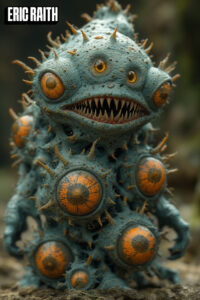 One pivotal aspect in the search for extraterrestrial life is the chemical composition of life itself. Earth’s organisms are primarily carbon-based and rely on water as a solvent. However, scientists propose alternative biochemistries that could support life elsewhere. Silicon, for example, shares chemical properties with carbon and could potentially form the basis of life in environments vastly different from our own. Additionally, ammonia instead of water might serve as a solvent in certain extraterrestrial climates, opening up further possibilities for diverse life forms.
The periodic table offers many elements that might foster life, raising intriguing questions about what alien organisms could look like. Imagine life forms that utilize sulfur or phosphorus in their biological processes, leading to structures and functions we’ve never encountered. The internal architecture of these beings would be fundamentally different, making bipedalism—a form of movement suited for Earth’s gravity and environmental conditions—less likely to emerge.
Environmental Influences on Alien Life Forms
Planetary environments would shape the very essence of extraterrestrial life. Consider the myriad of conditions present on planets and moons within our solar system and beyond. For instance, the intense gravitational pull of a gas giant might yield life forms that are more alien in shape, perhaps resembling jellyfish or other non-bipedal organisms that float or drift through the atmosphere. On icy moons like Europa, life could exist in subsurface oceans, potentially taking on aquatic forms that we can only begin to imagine.
Evolutionary Pressures
Lastly, the evolutionary pressures faced by life forms on other worlds would vary dramatically. Factors such as radiation levels, atmospheric composition, and available nutrients would serve as powerful drivers of evolution, steering the development of life in unexplored directions. As such, it’s highly improbable that alien life would follow the same evolutionary path as humans or any other bipedal species found on Earth.
Conclusion: The Search Continues
While the search for extraterrestrial life continues and our understanding expands, it’s essential to keep an open mind. The evidence suggests that if we encounter alien beings, we should not expect to meet beings that look or behave like ourselves. The universe is vast and varied, offering the potential for life in forms and structures we have yet to fathom. Embracing this diversity will be crucial as we explore the cosmos and seek to understand our place within it. The possibility of discovering life that is drastically different from our own invites us to reckon with the boundless potential of the universe and the extraordinary variety of existence it may harbor.




My Wish for the next few years...
December 16, 2025